I Was Assaulted Too, Claims Detainees' Lawyers

Memorandum to Suhakam
12 May 2003
I Was Assaulted Too, Claims Detainees' Lawyers
Home Minister must explain how this could have happened
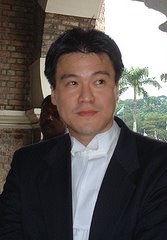
Cheah: A plainclothes camp personnel
...pounced on me and started to scream threats
To:
Chairman of Suhakam
& Commissioners of Suhakam
Kuala Lumpur, Selangor
Dear Sir / Madam,
1) Assault on KeADILan Reformasi 5 in Kamunting Detention Camp
2) Assault on lawyer inside Kamunting Detention Camp
I refer to the above matter and the enclosed letter of the Reformasi 5 dated 10h May 2003. I am one of the lawyers representing the six Internal Security Act detainees. Five of them are now still detained in the Kamunting Detention Camp. They are Mr. Chua Tian Chang, Mr. Saari Sungip, Mr. Hishamudin Rais, Mr. Lokman Adam, and Dr. Badrul Amin. (Mr. Mohd Ezam Mohd Nor is now detained in Kajang).
Over the two years detention period, we the lawyers have received many complaints from the families and from the detainees about the unreasonable treatment meted out to the detainees by the camp authorities or their agents. Such treatment includes cases of assault, harassment, beatings, kicking, slapping, being stripped naked, interrogation, letters being confiscated, being cut off from outside communication, allowing their drinking water to be contaminated (the dead birds in the water tank incident), medical supplements being prohibited, personal property being damaged, being cut off from important news in the newspapers, their lawyers being turned away for no good reason, being handcuffed and blindfolded for long hours when travelling, or being blindfold and handcuffed when walking inside buildings (like being blindfolded and made to walk up or down the staircase) etc.
I would also like to point out that during our visits to the camp, the lawyers often find plainclothes personnel in the camp, sometimes interfering with the warden’s decisions, and always prepared to threaten the detainees and the lawyers. When challenged, they would refuse to identify who they are; they often behave in a very intimidating manner. In the recent episode, one plainclothes personnel (acknowledged by Camp superior officer Mr. Adina to be one of the “agents”, threatened me, and threatened my life when I was in the camp in front of the superior officer and at least five other officers and wardens).
The principle grounds of complaints are as follows:
Assault on Keadilan Reformasi 5 in Kamunting Detention Camp
On 8 May 2003, the Review Board reviewed the cases of the five Reformasi detainees. The Review Board stated that they have to be consistent with their previous finding, which was to release the Reformasi detainees at once. Their last finding was made on or about 12 December .2002. The Review Board stated that they respected the finding of the Federal Court last year, when the court held that the police was “mala fide” in their investigation against the Reformasi detainees under section 73 of the Internal Security Act. The Review Board expressed regret that the Minister had chosen to disregard their consistent advice to release the Reformasi detainees.
On that same day, the lawyers (Gooi Hock Seng, Gooi Hsiao Leung, and Cheah Kah Peng) made an appointment to meet Mr. Sobri, one of the high ranking officers of Kamunting Detention Camp. The lawyers reiterated their clients’ requests to further their studies in the Camp. They further advised Mr. Sobri about their acceptance and conditional acceptance in universities for further education programmes. (Backed by documentary evidence from the university). Letters urging the Camp authorities to expedite the matter were shown to Mr. Sobri by lawyers.
After the lawyers had explained, Mr. Sobri agreed in front of Mr. Chua Tian Chang and the above-named three lawyers that he would check with the Home Minister’s office again about the long and unnecessary delay in allowing the detainees to further their studies.
In the meantime, as a preliminary aid to Mr. Chua’s PhD research, he consented to the return of Mr. Chua Tian Chang’s laptop computer, which was held in the custody of the Camp authority for about a year.
We the lawyers were subsequently told by the clients that the laptop computer only stayed with Mr. Chua Tian Chang for less then a day. This is because on 9 May 2003, Friday (the next day), a team of Detention Camp Security Unit (Unit Keselamatan Penjara, UKP for short) stormed into the area and rooms where they were being confined and took away the laptop computer using extreme force. The UKP came with batons and shields, the detainees were beaten with batons.
The details of the assault and attack are more clearly described in their joint statement, which is enclosed with this letter. Suffice to say here that they were assaulted with excessive force intentionally. One or more of the detainees were slapped on the face, stripped naked, pushed and forced against the floor, handcuffed, sat on by heavy bodies, beaten using batons; pictures of their nudity were taken by the Camp photographers while they were being overpowered.
It is difficult to imagine that somebody can do this; we can only conclude that this madly orchestrated assault and the taking of naked pictures of the detainees while they were being overpowered was the work of a mad man seeking to provoke.
Assault on Lawyer Inside Kamunting Detention Camp
The same thing happened to me, a lawyer visiting the camp.
In the afternoon, a day after the assault, I received a telephone call from Mr. Sivarasiah, another lawyer representing the detainees. He informed me that our client Mr. Chua Tian Chang had placed a telephone call through the camp authority to him. Chua’s requested (in front of the camp’s personnel) the lawyer to see them immediately.
I was sent to see them immediately after the telephone call. On my way to Kamunting Detention Camp, I was called by the family members of Chua Tian Chang and informed of the details of his injuries and the incident that happened the previous day.
When I reached the camp, it was 3:30 pm. I waited, but was on many occasions rejected by the camp guards and operator from entering the second level. I insisted and explained over the phone that I was requested to come, by a telephone call placed by my client together with the understanding and supervision of the camp authorities. In short, I told them I was invited to come with the expressed permission of the camp.
Mr. Edina, the deputy Chief (Timbalan Ketua Pengarah) came with a few wardens and officers in a jeep at about 3.45 pm. At first, he did not understand the situation until I explained it to him. Nonetheless, he asked me to come on another day. I protested at the unfairness of them inviting and then rejecting the lawyer all in the same afternoon.
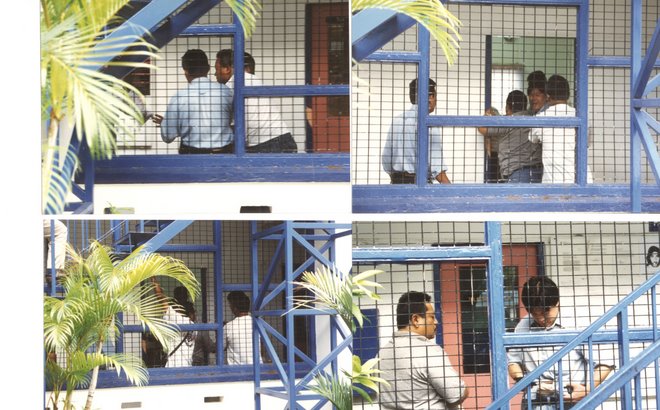
After my strong protest, and my explanation about the extraordinary circumstances where I was informed of my assaulted clients, a plainclothes camp personnel believed to be either from the secret service (special branch) or one of the wardens pounced on me and started to scream threatening sentences and words at me. He made me feel threatened and tried to stop me from meeting my clients. His violent movements towards me (pouncing, shouting, spitting, brandishing his fists, swearing) were later restrained by the wardens standing around, only after I said I would complain to the Bar Council. I am sure he would have hit me on the face if the others had not restrained him. That is for sure, because he was about four feet from me. When he shouted, his saliva was all over my face. While he was being very loud and vicious in his language, shocking words like “you take care of yourself outside, we will….”, “when I see you again, I will…..”” You think you lawyer can do anything, huh? Just wait and see outside….” And of course, he had a lot of intimidating gestures as if he is on the verge of beating me up. He tried very hard to scare me. On various occasions, he tried to run towards me, but was restrained.
I asked Mr. Adina, the chief in charge of the camp that day, to identify the “violent man”. Mr. Adina was there witnessing the whole thing. He was standing next to the “mad man” who tried to beat me up. He identified him as “one of them”, but refused to identify his name. But, I remember when that man was running towards me and tried to attack me, when he was held back by the other wardens, Mr. Adina shouted at him to calm down, and called him by the name of “man”. After comparing descriptions and consulting my clients, the man in question could be the same man that assaulted Hishamudin a day before. I was told his name was “Sulaiman”, hence “man” for short.
The Intention of This Letter
It is the intention of this letter to get the response of all parties concerne; as the lawyers of the detainees, we seek help and ask SUHAKAM to investigate the above matter and provide us with a report and preferably a proposal as to how to address any wrongdoing and infringement of human rights right under our noses.
Following this letter, we would of course call for the Home Minister to explain to us why and how this could have happened again and again under his office. We further call for the Suhakam commissioners to work closely and effectively with all parties concerned to put pressure on those human rights violators, so that breaches of human rights can be eliminated from the face of this land.
Yours faithfully,
Cheah Kah Peng
12 May 2003
12 May 2003
I Was Assaulted Too, Claims Detainees' Lawyers
Home Minister must explain how this could have happened
Cheah: A plainclothes camp personnel
...pounced on me and started to scream threats
To:
Chairman of Suhakam
& Commissioners of Suhakam
Kuala Lumpur, Selangor
Dear Sir / Madam,
1) Assault on KeADILan Reformasi 5 in Kamunting Detention Camp
2) Assault on lawyer inside Kamunting Detention Camp
I refer to the above matter and the enclosed letter of the Reformasi 5 dated 10h May 2003. I am one of the lawyers representing the six Internal Security Act detainees. Five of them are now still detained in the Kamunting Detention Camp. They are Mr. Chua Tian Chang, Mr. Saari Sungip, Mr. Hishamudin Rais, Mr. Lokman Adam, and Dr. Badrul Amin. (Mr. Mohd Ezam Mohd Nor is now detained in Kajang).
Over the two years detention period, we the lawyers have received many complaints from the families and from the detainees about the unreasonable treatment meted out to the detainees by the camp authorities or their agents. Such treatment includes cases of assault, harassment, beatings, kicking, slapping, being stripped naked, interrogation, letters being confiscated, being cut off from outside communication, allowing their drinking water to be contaminated (the dead birds in the water tank incident), medical supplements being prohibited, personal property being damaged, being cut off from important news in the newspapers, their lawyers being turned away for no good reason, being handcuffed and blindfolded for long hours when travelling, or being blindfold and handcuffed when walking inside buildings (like being blindfolded and made to walk up or down the staircase) etc.
I would also like to point out that during our visits to the camp, the lawyers often find plainclothes personnel in the camp, sometimes interfering with the warden’s decisions, and always prepared to threaten the detainees and the lawyers. When challenged, they would refuse to identify who they are; they often behave in a very intimidating manner. In the recent episode, one plainclothes personnel (acknowledged by Camp superior officer Mr. Adina to be one of the “agents”, threatened me, and threatened my life when I was in the camp in front of the superior officer and at least five other officers and wardens).
The principle grounds of complaints are as follows:
Assault on Keadilan Reformasi 5 in Kamunting Detention Camp
On 8 May 2003, the Review Board reviewed the cases of the five Reformasi detainees. The Review Board stated that they have to be consistent with their previous finding, which was to release the Reformasi detainees at once. Their last finding was made on or about 12 December .2002. The Review Board stated that they respected the finding of the Federal Court last year, when the court held that the police was “mala fide” in their investigation against the Reformasi detainees under section 73 of the Internal Security Act. The Review Board expressed regret that the Minister had chosen to disregard their consistent advice to release the Reformasi detainees.
On that same day, the lawyers (Gooi Hock Seng, Gooi Hsiao Leung, and Cheah Kah Peng) made an appointment to meet Mr. Sobri, one of the high ranking officers of Kamunting Detention Camp. The lawyers reiterated their clients’ requests to further their studies in the Camp. They further advised Mr. Sobri about their acceptance and conditional acceptance in universities for further education programmes. (Backed by documentary evidence from the university). Letters urging the Camp authorities to expedite the matter were shown to Mr. Sobri by lawyers.
After the lawyers had explained, Mr. Sobri agreed in front of Mr. Chua Tian Chang and the above-named three lawyers that he would check with the Home Minister’s office again about the long and unnecessary delay in allowing the detainees to further their studies.
In the meantime, as a preliminary aid to Mr. Chua’s PhD research, he consented to the return of Mr. Chua Tian Chang’s laptop computer, which was held in the custody of the Camp authority for about a year.
We the lawyers were subsequently told by the clients that the laptop computer only stayed with Mr. Chua Tian Chang for less then a day. This is because on 9 May 2003, Friday (the next day), a team of Detention Camp Security Unit (Unit Keselamatan Penjara, UKP for short) stormed into the area and rooms where they were being confined and took away the laptop computer using extreme force. The UKP came with batons and shields, the detainees were beaten with batons.
The details of the assault and attack are more clearly described in their joint statement, which is enclosed with this letter. Suffice to say here that they were assaulted with excessive force intentionally. One or more of the detainees were slapped on the face, stripped naked, pushed and forced against the floor, handcuffed, sat on by heavy bodies, beaten using batons; pictures of their nudity were taken by the Camp photographers while they were being overpowered.
It is difficult to imagine that somebody can do this; we can only conclude that this madly orchestrated assault and the taking of naked pictures of the detainees while they were being overpowered was the work of a mad man seeking to provoke.
Assault on Lawyer Inside Kamunting Detention Camp
The same thing happened to me, a lawyer visiting the camp.
In the afternoon, a day after the assault, I received a telephone call from Mr. Sivarasiah, another lawyer representing the detainees. He informed me that our client Mr. Chua Tian Chang had placed a telephone call through the camp authority to him. Chua’s requested (in front of the camp’s personnel) the lawyer to see them immediately.
I was sent to see them immediately after the telephone call. On my way to Kamunting Detention Camp, I was called by the family members of Chua Tian Chang and informed of the details of his injuries and the incident that happened the previous day.
When I reached the camp, it was 3:30 pm. I waited, but was on many occasions rejected by the camp guards and operator from entering the second level. I insisted and explained over the phone that I was requested to come, by a telephone call placed by my client together with the understanding and supervision of the camp authorities. In short, I told them I was invited to come with the expressed permission of the camp.
Mr. Edina, the deputy Chief (Timbalan Ketua Pengarah) came with a few wardens and officers in a jeep at about 3.45 pm. At first, he did not understand the situation until I explained it to him. Nonetheless, he asked me to come on another day. I protested at the unfairness of them inviting and then rejecting the lawyer all in the same afternoon.
After my strong protest, and my explanation about the extraordinary circumstances where I was informed of my assaulted clients, a plainclothes camp personnel believed to be either from the secret service (special branch) or one of the wardens pounced on me and started to scream threatening sentences and words at me. He made me feel threatened and tried to stop me from meeting my clients. His violent movements towards me (pouncing, shouting, spitting, brandishing his fists, swearing) were later restrained by the wardens standing around, only after I said I would complain to the Bar Council. I am sure he would have hit me on the face if the others had not restrained him. That is for sure, because he was about four feet from me. When he shouted, his saliva was all over my face. While he was being very loud and vicious in his language, shocking words like “you take care of yourself outside, we will….”, “when I see you again, I will…..”” You think you lawyer can do anything, huh? Just wait and see outside….” And of course, he had a lot of intimidating gestures as if he is on the verge of beating me up. He tried very hard to scare me. On various occasions, he tried to run towards me, but was restrained.
I asked Mr. Adina, the chief in charge of the camp that day, to identify the “violent man”. Mr. Adina was there witnessing the whole thing. He was standing next to the “mad man” who tried to beat me up. He identified him as “one of them”, but refused to identify his name. But, I remember when that man was running towards me and tried to attack me, when he was held back by the other wardens, Mr. Adina shouted at him to calm down, and called him by the name of “man”. After comparing descriptions and consulting my clients, the man in question could be the same man that assaulted Hishamudin a day before. I was told his name was “Sulaiman”, hence “man” for short.
The Intention of This Letter
It is the intention of this letter to get the response of all parties concerne; as the lawyers of the detainees, we seek help and ask SUHAKAM to investigate the above matter and provide us with a report and preferably a proposal as to how to address any wrongdoing and infringement of human rights right under our noses.
Following this letter, we would of course call for the Home Minister to explain to us why and how this could have happened again and again under his office. We further call for the Suhakam commissioners to work closely and effectively with all parties concerned to put pressure on those human rights violators, so that breaches of human rights can be eliminated from the face of this land.
Yours faithfully,
Cheah Kah Peng
12 May 2003